Thinking about life in Ann Arbor but not sure if a condo or a house fits you best? You are not alone. With a strong job market and a lively downtown, many buyers weigh convenience against space and control. In this guide, you will learn how condos and single‑family homes compare in Ann Arbor, what costs to expect, and how to match each option to your lifestyle and commute. Let’s dive in.
Ann Arbor market at a glance
Ann Arbor’s housing mix ranges from downtown and near‑campus condos to single‑family homes in city neighborhoods and nearby townships. The University of Michigan and major healthcare and research employers create steady housing demand across price points. That demand influences where and how you live, from walkable urban condos to homes with yards in surrounding areas.
Condos often sell at a lower total price than single‑family homes because they do not include a private land parcel and are usually smaller. Price per square foot can be similar or higher downtown where location and amenities drive value. Detached homes tend to follow family move cycles, while downtown condos are more influenced by the academic calendar and rental demand.
What you own: condo vs house
Condo ownership
With a condominium, you own your interior space plus a shared interest in common elements like the roof, exterior, hallways, and land. A condominium association manages the building and sets rules and budgets. In Michigan, condos are governed by the state’s condominium law. You should review the declaration, bylaws, rules, budgets, and recent board minutes before you buy. You can read the statutory framework in the Michigan Condominium Act.
Single‑family ownership
With a single‑family home, you typically own the house and the land. You control your exterior and yard, and you handle repairs and improvements. Some neighborhoods have an HOA that adds rules and fees, so you will want to ask for covenants and bylaws if they exist.
Monthly costs and maintenance
How fees and bills compare
- Condos include monthly HOA fees that often cover exterior maintenance, landscaping, snow removal, trash, common utilities, and building insurance. Fees vary by age, amenities, and services. Review the line‑item budget and recent reserve study, and look for any history of special assessments. The Community Associations Institute offers reliable guidance on reserves and governance.
- Single‑family owners pay for all exterior and systems upkeep. You control timing and contractors, but big items like roofs and driveways become your responsibility.
Property taxes in both cases are assessed locally and based on value. For bill details, millages, and records, visit the Washtenaw County Treasurer and Assessor resources.
Insurance and utilities
- Condo owners typically carry an HO‑6 policy that covers interior finishes, personal property, and liability. The association carries a master policy for the building’s structure. Confirm coverage limits and gaps. The Consumer Financial Protection Bureau has helpful consumer guides.
- Single‑family owners usually carry dwelling and contents coverage. Ask about deductibles, wind and hail exposure, and water backup coverage.
- In some condos, certain utilities are included. Verify what is separately metered and what is included in the fee.
Financing and approvals
Lenders review condos differently from houses. For condos, they look at the association’s financial health, insurance coverages, owner‑occupancy ratios, and any litigation. Some loan programs require project approval. You can learn more about federal program rules through the FHA condo guidance and the VA condo approval process.
Appraisals for condos often rely on sales within the same building or nearby similar complexes. That can affect valuation if recent comparables are limited. Get pre‑approved early and ask your lender to outline any condo‑specific requirements.
Resale patterns and risk
Single‑family homes often show steady long‑term appreciation because land value is part of the price. Condos can be more sensitive to building condition, association finances, and local rental trends. Rental restrictions in many condo associations can also shape the future buyer pool, especially for investors or owners who plan to rent at some point. Before you buy, review rental policies, owner‑occupancy ratios, and the association’s financials.
Lifestyle fit: space vs convenience
When a condo fits
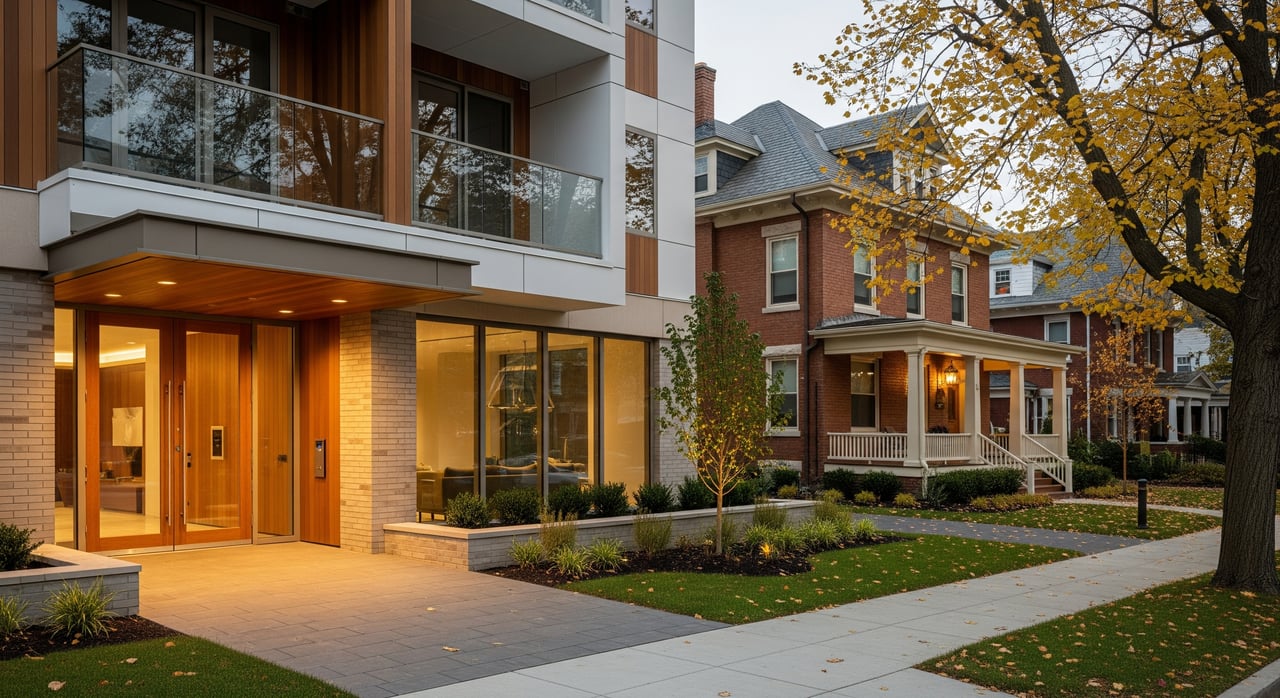
If you value walkability, low maintenance, and shared amenities, a condo can be a smart choice. Downtown, Kerrytown, Old West Side, and near‑campus areas offer quick access to restaurants, shops, and the university. Expect to evaluate parking and guest parking rules, and be comfortable with HOA governance.
When a house fits
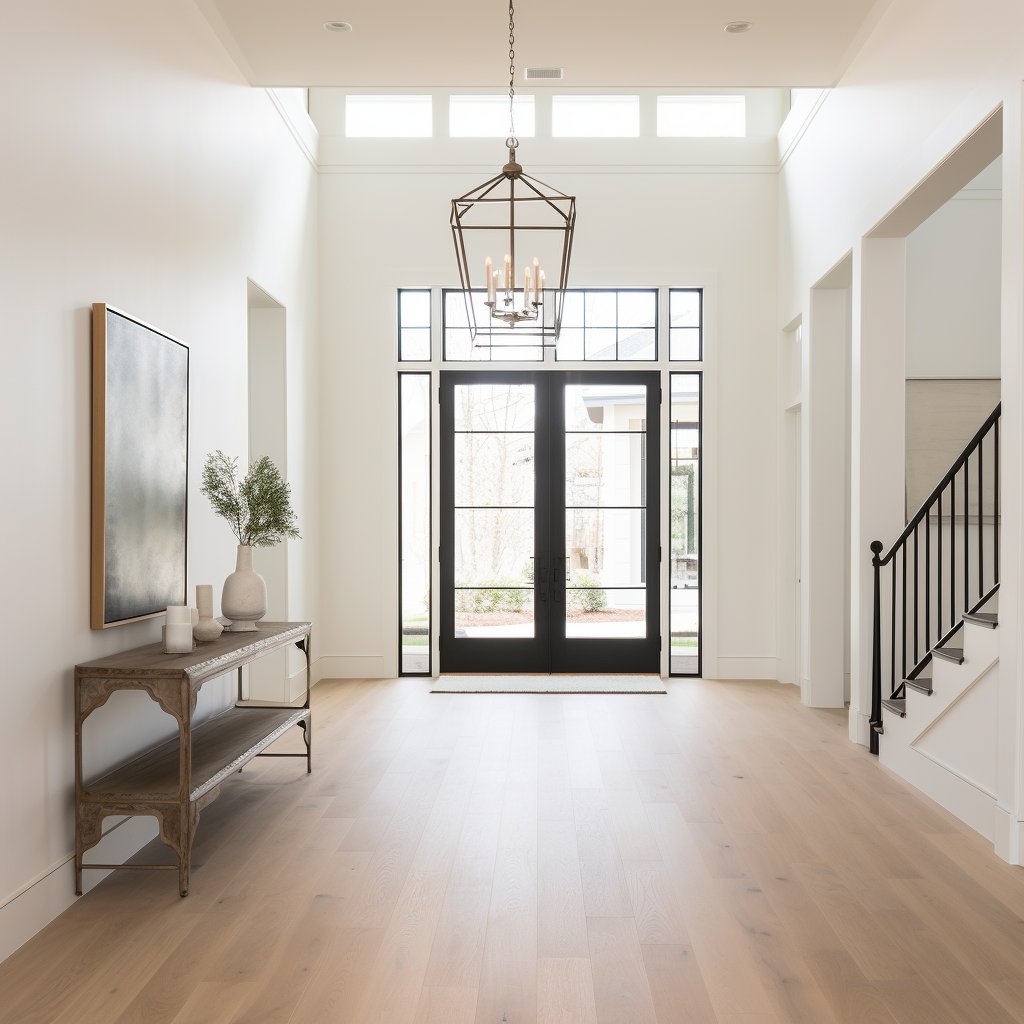
If you want a yard, a private garage, and room to grow, single‑family homes in city neighborhoods and nearby townships can deliver that space. You will take on more maintenance, but you gain control, privacy, and the ability to personalize outdoor areas.
Commute and neighborhood tradeoffs
Ann Arbor’s core is walkable, with bike lanes and strong bus service. The Ann Arbor Area Transportation Authority provides routes and commuter options you can explore at TheRide. For city planning, parking, and mobility updates, check the City of Ann Arbor.
- Downtown and near‑campus condos usually mean shorter commutes to central employers and the UM Medical Center. Parking may be limited or separately charged, depending on the building.
- Homes in west or south Ann Arbor and nearby townships can add commuting time, especially along I‑94 and M‑14, but they offer larger lots and more private outdoor space.
If school location matters, confirm boundaries on the Ann Arbor Public Schools site. Policies and assignments can change over time.
Quick checklist if you lean condo
- Review the declaration, bylaws, rules, current budget, reserve study, 3 years of financials, insurance summary, recent board minutes, and any pending litigation. The Michigan Condominium Act outlines required documents and disclosures.
- Confirm what HOA fees include and whether any increases are planned.
- Ask about assigned parking, guest parking, and storage.
- Verify rental and short‑term rental policies if you may lease the unit.
- Compare master policy coverage with your HO‑6 needs. The CFPB’s homeowner resources are useful.
- Confirm lender acceptance, including FHA or VA requirements if you plan to use these programs. See FHA guidance and VA approvals.
- Walk common areas to evaluate maintenance, security, noise, and elevator condition.
Quick checklist if you lean single‑family
- Ask about any neighborhood covenants or HOA rules and fees.
- Budget for exterior maintenance such as roof, siding, driveway, and yard care.
- Order a thorough inspection that evaluates structure, mechanicals, and drainage.
- Confirm municipal services and school district boundaries at Ann Arbor Public Schools.
- Test your commute from the address at likely drive times. Check transit options at TheRide.
- Review property tax history and assessments at Washtenaw County.
Common financial checklist for both
- Get pre‑approved and confirm your lender’s rules for condos or single‑family homes.
- Calculate your full monthly cost: mortgage principal and interest, property taxes, insurance, HOA fees if applicable, utilities, and a maintenance reserve.
- Ask a real estate attorney to review condo documents or unusual deed restrictions.
- Review recent resale comparables in the same building or nearby neighborhood.
How to make the call
Start with your day‑to‑day life. If you want to walk to coffee and events near campus or downtown, a condo may deliver the most value. If a private yard, a garage, and space for hobbies top your list, a single‑family home might feel right. Then compare total monthly costs and maintenance tolerance. Finally, weigh commute patterns and future resale goals.
When you are ready to explore neighborhoods and buildings that fit your lifestyle in Ann Arbor or nearby Washtenaw communities, connect with a local advisor who understands both products and the lending nuances that come with them. If you want a clear path from search to closing, schedule a strategy call with Anthony Maisano.
FAQs
What is the main difference between owning a condo and a house in Michigan?
- With a condo you own the interior and share common areas through an association, while with a house you own the structure and land and handle your own exterior maintenance.
How do HOA fees work for Ann Arbor condos?
- Monthly fees fund services like exterior upkeep, snow removal, common utilities, and amenities, and you should review budgets and reserves to evaluate fee stability and special assessment risk.
Are condos harder to finance than houses in Ann Arbor?
- Lenders review condo associations for financial health, insurance, occupancy, and litigation, and some loans require project approval through programs like FHA or VA.
How do property taxes differ between condos and houses in Washtenaw County?
- Both are taxed based on assessed value by local authorities, and you can review rates and records through the county’s official resources.
What should I review before buying a condo near downtown Ann Arbor?
- Request the declaration, bylaws, rules, budgets, reserve study, financials, insurance summary, recent minutes, and any litigation or special assessment history.
How should I compare commute options from different Ann Arbor neighborhoods?
- Map your peak drive times and check transit routes and schedules on TheRide, then factor in parking rules and availability if you plan to live downtown.