Ever walk or drive through Bloomfield Hills and wonder why one street feels like a chapter from an English manor story while the next reveals sleek glass and low rooflines? When styles vary this much, it can be hard to picture how each home will live day to day. You want architecture that fits your lifestyle, budget, and long-term plans. In this guide, you’ll learn how to spot the major styles here, what those choices mean for layouts and maintenance, and how lot patterns shape everyday living. Let’s dive in.
Why Bloomfield Hills architecture stands out
Bloomfield Hills grew around landmark estates and the cultural gravity of the Cranbrook campus, a National Historic Landmark and the area’s architectural north star. The campus and its affiliated homes set a high bar for design and craftsmanship, from English Arts and Crafts and Tudor influences to modernist experiments you still see today. You can explore the architectural legacy through the Cranbrook campus.
That legacy includes celebrated modernists. You will find mid-century and Usonian homes by Frank Lloyd Wright and protégés in and around Bloomfield Hills. Tours of the Affleck House and the Smith House show how open plans, long rooflines, and strong indoor-outdoor connections took root here.
Many properties sit on larger, wooded parcels. It is common to see half-acre to multi-acre lots with long drives, private outdoor rooms, and mature trees. That lot pattern shapes how homes orient to the site and how you use outdoor space, from quiet terraces to pool courts. Streetscapes mix preserved historic estates, mid-century homes, tasteful renovations, and newer custom builds, which gives buyers a wide range of options.
Style guide to Bloomfield Hills homes
English Arts & Crafts and Tudor estates
These are the storybook or stately anchors of the area, influenced by English precedents and local craftsmanship.
- Spot it: Steep gables, stone or brick, half-timbering, tall chimneys, and arched entries. For a feel of the type, see historic Tudor examples like Walbri Hall.
- Inside: A formal sequence of rooms, often with separate wings. Think paneled libraries, detailed plasterwork, and multiple fireplaces.
- Maintenance: Slate or complex rooflines and heavy masonry need periodic expert care. The National Park Service offers helpful preservation guidance for authentic repairs.
- Lives like: Great for formal entertaining and defined spaces. Large grounds suit gardens, courts, and private outdoor amenities.
Colonial, Georgian, and Dutch Colonial Revival
Classic symmetry and traditional detailing make these homes feel timeless and adaptable.
- Spot it: Balanced façades, classical door surrounds, multi-pane windows, and brick or clapboard exteriors. A local NRHP example is the John & Mary Elizabeth Booth Endicott House.
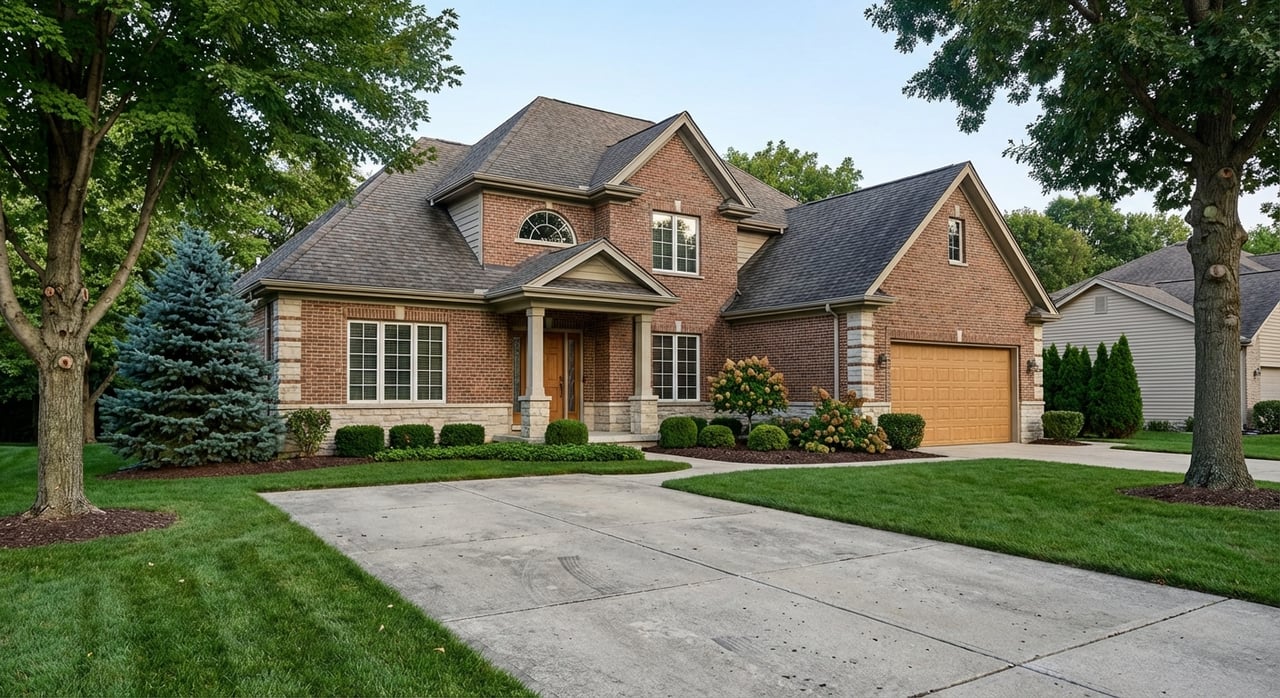
- Inside: Central-hall plans with formal living and dining rooms. Many have later updates that open the kitchen to a family area.
- Maintenance: Original millwork and window details are worth preserving. Mechanical systems may have been modernized.
- Lives like: Ideal if you appreciate tradition and want the option to blend in a more open kitchen and family zone.
French Eclectic and English Cottage variants
These homes lean romantic and cozy, with textured materials and intimate rooms.
- Spot it: Asymmetry, steep slate-like roofs, dormers, leaded windows, and charming massing. See the NRHP-listed H. Augustus & Agnes O’Dell House for the feel.
- Inside: Nooks, smaller rooms, stone hearths, and plaster finishes.
- Maintenance: Irregular masonry and older slate require specialist care. Original small-pane windows can guide renovation choices.
- Lives like: Best if you value character and cozy spaces over a single, expansive great room.
Usonian and Mid-Century Modern
Frank Lloyd Wright’s influence is strong here, echoed by regional modernists who embraced light, landscape, and simple lines.
- Spot it: Low profiles, deep overhangs, long bands of windows, and big glass walls facing nature. Wright’s Usonian ideas show up in L-shaped plans, radiant slabs, and carports.
- Inside: Open living, dining, and kitchen zones with built-ins and broad views. Learn the basics in this Usonian primer.
- Maintenance: Flat or low-slope roofs need careful drainage. Original single-pane glass and woodwork call for thoughtful upgrades. The NPS shares energy tips that respect character in its preservation guidance.
- Lives like: Informal, connected to nature, and ideal for design-minded buyers who prize flow and light. Want to see it in person? Tour the Affleck House or the Smith House.
Postwar Ranch, Raised Ranch, and Split-Level
Practical and widely renovated, these homes span the 1940s to 1970s and appear across Bloomfield Hills and nearby areas.
- Spot it: Single-story or raised profiles with attached garages, wide picture windows, and sliders to patios. Split-levels add short stair runs to separate living zones.
- Inside: Informal layouts centered on family space and kitchen visibility. Many are excellent candidates for tasteful updates or expansions.
- Maintenance: Conventional framing and brick or siding exteriors. Common projects include window replacements and mechanical upgrades.
- Lives like: Efficient and flexible without formal rooms, often on manageable lots that still feel green and private.
Contemporary custom builds and recent luxury estates
Newer estates often merge traditional Michigan materials with modern forms and amenities.
- Spot it: Large glass, clean lines, and sculpted volumes. Some projects reference local stone or brick with crisp detailing.
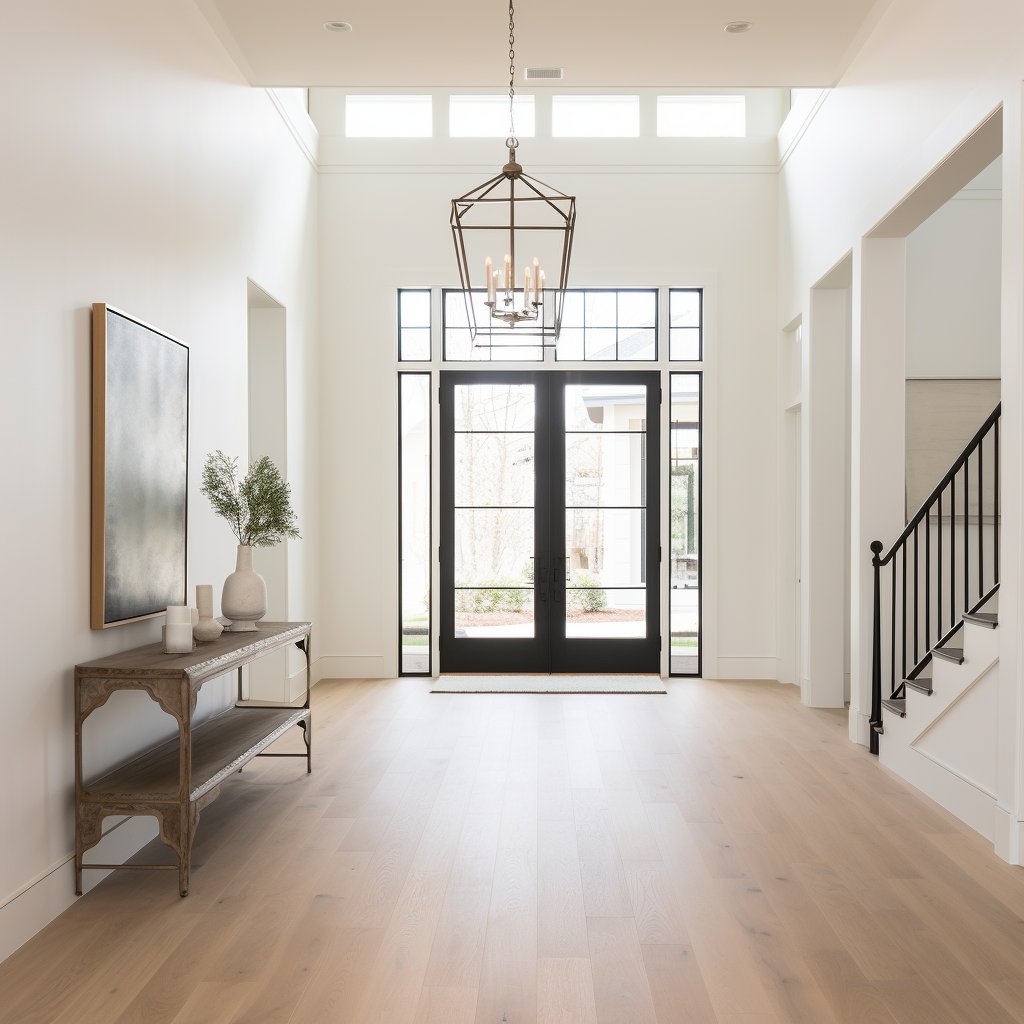
- Inside: Open great rooms, chef kitchens, generous suites, and amenities like gyms and theaters. Smart systems and modern mechanicals are standard.
- Maintenance: Performance is strong, but bespoke systems sometimes require specialty service.
- Lives like: Turnkey luxury with indoor-outdoor flow and room for guests, hobbies, and entertaining.
How lot patterns shape living
Bloomfield Hills properties commonly sit on larger, wooded parcels. That means longer drives, more privacy, and space for terraces, pools, and sports areas. Homes often orient to the landscape, with big windows and garden-side rooms.
When you search, lean on local anchors that signal design and setting. References to Cranbrook, Kingswood, and nearby cultural sites help you zero in on neighborhoods with architectural depth. For design-minded buyers, touring the Saarinen House at Cranbrook is a quick way to tune your eye.
If you are planning a major addition or a teardown and rebuild, confirm setbacks, tree work rules, and approvals with the City of Bloomfield Hills. Start with the Planning Commission for current processes and property-specific questions.
Renovation and inspection tips by style
Historic and period revival houses
- Roofing and masonry: Ask about slate or complex roof history, flashing, and any mortar repointing. Repairs are specialized. The NPS has clear preservation guidance for traditional materials.
- Windows and trim: Check the condition and operation of leaded or multi-pane windows. Storm systems can improve comfort while preserving original glass and millwork.
- Interiors: Look for intact plaster and wood details. Ask whether past renovations respected original fabric.
Mid-century and Usonian homes
- Roofs and water: Confirm flat or low-slope roof drainage and membrane age. Water management is essential.
- Glazing and comfort: Many homes have large single-pane glass. Reversible upgrades like storms are common. See the Usonian primer for context on typical systems.
- Heating: Radiant slab systems are common in Usonian designs. Ask about age, controls, and service history.
New builds and teardowns
- Sitework: On wooded estate parcels, budget for grading, drainage, and driveway costs.
- Utilities and approvals: Verify septic versus municipal sewer, driveway access, and tree-removal permits. Confirm setbacks and lot coverage with the city’s Planning Commission.
Quick cheat sheet for showings
- When was the roof last replaced and what material was used?
- Are the original windows operable, and have storm windows been added?
- What kind of heating does the house use, and how old is the system?
- Are there known easements, conservation restrictions, or tree-removal constraints on the lot?
Finding your fit with Bloomfield Hills styles
Your lifestyle should lead the style. If you love formal entertaining and classic craftsmanship, Tudor or Colonial revival homes may feel just right. If you prefer open flow and wall-to-glass connections with the landscape, mid-century or contemporary options will likely shine. Postwar ranch and split-level homes often offer the best canvas for smart, value-driven updates.
You do not have to sort this out alone. With deep local knowledge, media-forward marketing, and steady deal execution, Anthony Maisano can help you narrow the field, spot red flags, and move with confidence in Bloomfield Hills.
FAQs
What are the most common home styles in Bloomfield Hills?
- You will see English Arts & Crafts and Tudor estates, Colonial and Georgian revivals, French Eclectic cottages, mid-century and Usonian designs, postwar ranch and split-level homes, and newer custom estates anchored by the influence of the Cranbrook campus.
How do Bloomfield Hills lots affect design and privacy?
- Many homes sit on larger, wooded parcels, which support long drives, private outdoor rooms, and landscape-facing floor plans with big windows and terraces.
What should I look for when buying a historic Tudor or Colonial here?
- Ask about slate or complex roof history, masonry repointing, and the condition of original windows and millwork; consult NPS preservation guidance for authentic repair approaches.
Are any mid-century modern homes open for tours nearby?
- Yes. You can tour Frank Lloyd Wright’s Affleck House and the Smith House to see Usonian and mid-century principles up close.
Can I tear down and rebuild on a Bloomfield Hills lot?
- It depends on setbacks, approvals, utilities, and site rules; start with the city’s Planning Commission for current processes and property-specific guidance.
What maintenance issues are common in mid-century homes?
- Focus on roof drainage for flat or low-slope roofs, the condition of single-pane glazing, and the age and performance of radiant slab heating; the Usonian primer offers helpful context.