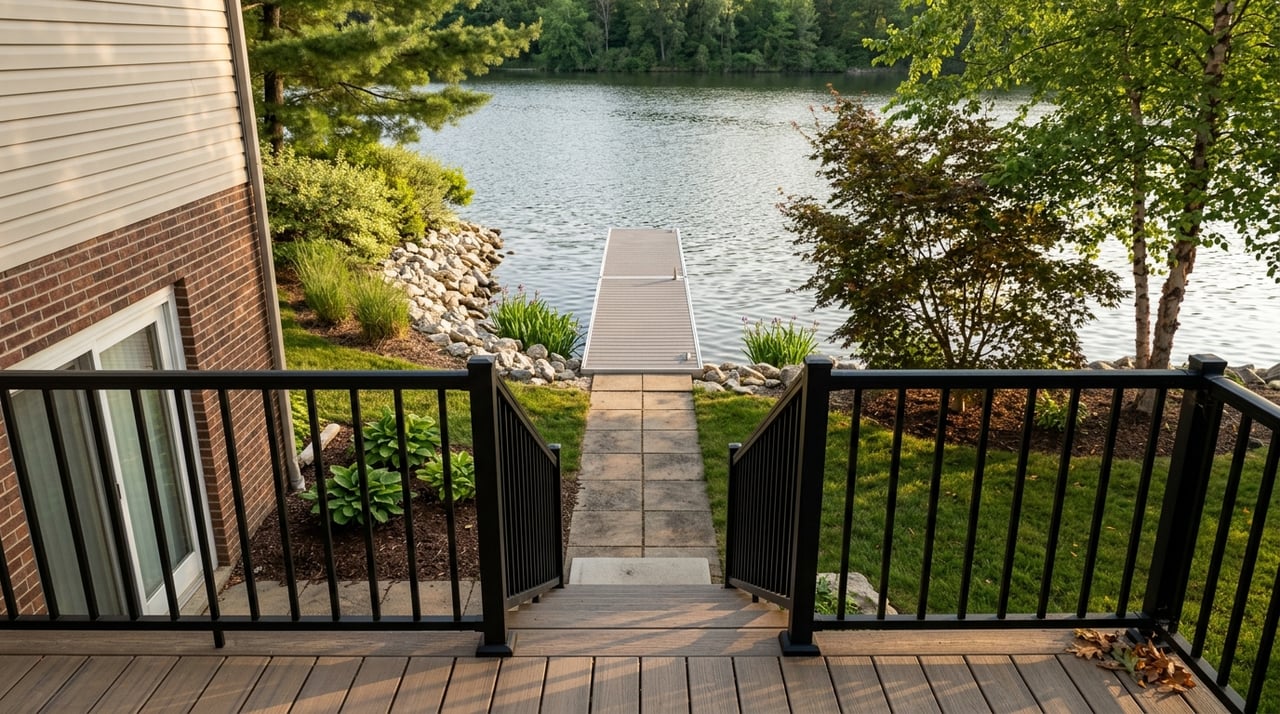
Dreaming about a Brighton lake home? It is easy to picture the views, the dock, and weekends on the water. But in Brighton and the wider Livingston County lake belt, buying near the water is about more than scenery. You also need to understand access, ownership rights, seasonal upkeep, and whether private frontage is really the best fit for your lifestyle. If you want the lake-country feel without surprises, this guide will help you ask smarter questions before you buy. Let’s dive in.
Why Brighton Draws Lake Buyers
Brighton stands out because it is surrounded by a dense network of inland lakes rather than one single marquee waterfront. The Brighton Township map shows lakes such as Island Lake, Brighton Lake, Woodland Lake, Fonda Lake, School Lake, Lake Moraine, and Lake of the Pines.
That matters because each lake can offer a different ownership setup, access pattern, and shoreline condition. In practical terms, two homes that both look like “lake homes” online may come with very different day-to-day realities once you read the deed and inspect the site.
Livingston County has deep lake-community roots as well. According to the county’s master plan, the county has 75 inland lakes, and many areas that began as seasonal cottage communities gradually evolved into year-round neighborhoods.
That history helps explain why Brighton lake living feels unique. You get a mix of recreational energy and full-time residential living, which can be appealing if you want a home that feels like a retreat without giving up everyday convenience.
What Lake Living Looks Like
When you buy near a lake in Brighton, you are buying into a lifestyle with real seasonal variety. The Michigan DNR describes inland-lake living as a mix of boating, fishing, swimming, canoeing, kayaking, and year-round recreation in many areas, as explained in its guide to living on Michigan’s inland lakes.
That lifestyle is reinforced by major recreation assets nearby. Island Lake Recreation Area includes four inland lakes and the Huron River, while nearby public recreation options in the area add trails, paddling, fishing, and seasonal outdoor use.
This creates an important advantage for buyers. You do not always need private frontage to enjoy the Brighton lake lifestyle. In many cases, living near these amenities can deliver much of the same experience with less shoreline responsibility.
Winter matters too. The DNR notes that ice fishing is part of inland-lake use in Michigan, but safe participation depends on current ice conditions and proper precautions.
So if you are considering a Brighton lake home, think beyond summer photos. The better question is whether you want a property that supports all-season use and all-season maintenance.
Check Waterfront Rights First
One of the biggest mistakes buyers make is assuming every waterfront-looking property comes with the same rights. It does not. Before you fall in love with a lot line on a listing photo, make sure you understand exactly what rights transfer with the property.
According to Michigan EGLE’s inland lakes guide, owners whose property is contiguous to a natural inland lake or stream may have riparian rights, which can include access to navigable water and dockage. But those rights may not apply in the same way on some non-natural waterbodies, impoundments, or platted bottomlands.
That is why your due diligence should go deeper than “lakefront” or “lake access” in a marketing description. You want to verify:
- Whether the property has riparian rights
- Whether the waterbody is natural or man-made
- Whether bottomlands are privately owned or platted differently
- What the deed and survey actually show
In Brighton’s patchwork of smaller lake communities, this step is especially important. Small differences in shoreline ownership can have a big impact on how you use the property.
Understand Dock and Hoist Rules
If your vision of lake living includes a boat tied up out back, ask about the dock right away. A dock or hoist may be included with a sale, but buyers still need to know whether it is seasonal or permanent and whether permits apply.
Michigan EGLE explains in its dock and boat hoist guidance that a permanent dock or boat hoist on inland lakes or streams requires a permit. A seasonal private, noncommercial dock or hoist that is removed at the end of boating season may be exempt if it does not unreasonably interfere with others or water flow.
For many Brighton-area lake homes, that means dock removal is simply part of the annual routine. It is not a red flag. It is normal.
When you tour a waterfront property, ask:
- Is the dock included in the sale?
- Is it seasonal or permanent?
- Has it been installed and used in compliance with current rules?
- Is there a boat hoist, and is that included too?
Those answers can affect both cost and convenience after closing.
Plan for Shoreline Maintenance
Lakefront ownership often comes with more hands-on maintenance than first-time buyers expect. A shoreline is not just a backyard with a view. It is an edge condition between land and water, and that usually means more regulation and more upkeep.
EGLE notes in its inland lakes guide that projects involving seawalls, rip rap, bioengineering, and shoreline protection may require permits. The DNR also points out that natural shorelines can help reduce runoff, support habitat, and deter nuisance geese in some situations, as described in its resource on living on Michigan’s inland lakes.
That means your maintenance decisions may affect more than appearance. They can influence permitting, erosion control, and long-term property care.
Before you buy, ask what the seller currently does to manage the shoreline, including:
- Natural vegetation maintenance
- Mowing near the water
- Structural shoreline protection
- Algae or aquatic plant issues
- Seasonal cleanup routines
A property with a highly managed shoreline can feel more turnkey at first glance. But a more natural shoreline may offer its own long-term benefits, depending on the site and your goals.
Budget for Wells and Septic
In many lake-area settings around Brighton and Livingston County, private wells and septic systems are part of ownership. If you are used to public utilities, this is an area where you want clear answers before you move forward.
The Livingston County Health Department’s Environmental Health division handles well and septic permits and inspections. The county also recommends testing private well water annually for bacteria and notes that septic maintenance does not need to be complicated or expensive when properly handled.
This is one of the most practical parts of due diligence. Ask the seller:
- Does the property use a private well?
- Does it use a septic system?
- When was the well last tested?
- When was the septic system last inspected or serviced?
These are not small details. They affect your maintenance schedule, operating costs, and peace of mind.
Watch for Water Quality Issues
Water conditions can change during the year, especially in warmer months. If you are buying for swimming, paddling, or simply a cleaner-looking shoreline, it is worth asking how the lake tends to behave seasonally.
Michigan EGLE states that aquatic nuisance control, including chemical treatment of nuisance aquatic plants and algae, is typically a regulated activity that requires a permit. Livingston County also notes that harmful algal blooms are more likely when water is warm, calm, and nutrient-rich, with blooms typically appearing in summer and fall, as referenced through the county’s environmental health resources.
That does not mean every lake has a major problem. It means buyers should understand that water quality management can be part of lake ownership.
Ask practical questions such as:
- Does the lake experience seasonal weed growth?
- Has algae treatment been used?
- Who handles treatment or permits, if needed?
- What has the seller noticed in summer and fall?
The goal is not to overcomplicate the search. It is to match your expectations to the reality of the property.
Consider Shared Access Options
For some buyers, the best answer is not full private frontage. It may be a nearby home that gives you easy access to the same lake-country setting without the added shoreline workload.
This is especially true in the Brighton area, where Island Lake Recreation Area and other nearby public recreation assets offer access to swimming, paddling, fishing, trails, and winter activities. Some locations may require passes or vehicle fees, but they still provide a strong alternative to direct waterfront ownership.
If your main goal is the lifestyle rather than the deeded shoreline, a nearby neighborhood can be a smart middle ground. You may get more flexibility, fewer maintenance tasks, and a lower level of ongoing waterfront responsibility.
A helpful way to frame your decision is this: How much shoreline responsibility do you actually want to own? Once you answer that honestly, the right property type often becomes much clearer.
Smart Questions Before You Buy
If you are shopping for a Brighton lake home, keep this short checklist with you during showings and conversations:
- What rights come with the shoreline?
- Is the lake natural or man-made?
- Is the dock or hoist included?
- Is the dock seasonal or permanent?
- Does the property use a well and septic system?
- When were those systems last inspected or tested?
- What shoreline maintenance is expected each year?
- Are there algae, weed, or treatment issues to know about?
- Would nearby access give you the same lifestyle with less upkeep?
The more precise your questions, the more confident your purchase decision will be.
Brighton lake living can be an incredible fit if you understand what you are buying. The right property can give you a year-round lifestyle that feels recreational, peaceful, and practical all at once. If you want guidance comparing true waterfront homes, shared-access options, or nearby neighborhoods that still deliver the lake-country feel, Anthony Maisano can help you evaluate the tradeoffs and move forward with clarity.
FAQs
What should buyers verify about waterfront rights in Brighton lake properties?
- Buyers should verify whether the property has riparian rights, whether the lake is natural or man-made, and what the deed and survey say about shoreline and bottomland ownership.
What should buyers ask about docks at Brighton lake homes?
- Buyers should ask whether the dock or hoist is included, whether it is seasonal or permanent, and whether any required permits apply based on how it is installed and used.
What utility systems are common in Livingston County lake homes?
- Many lake-area properties use private wells and septic systems, so you should ask when each system was last tested, inspected, or serviced.
What maintenance comes with lakefront property in Brighton?
- Common maintenance can include shoreline vegetation management, dock removal and reinstallation, monitoring algae or weed growth, and addressing shoreline protection needs.
Can buyers enjoy the Brighton lake lifestyle without owning waterfront property?
- Yes. Nearby homes with access to regional parks and recreation areas can still offer boating, paddling, fishing, trails, and seasonal outdoor activities without direct shoreline ownership.