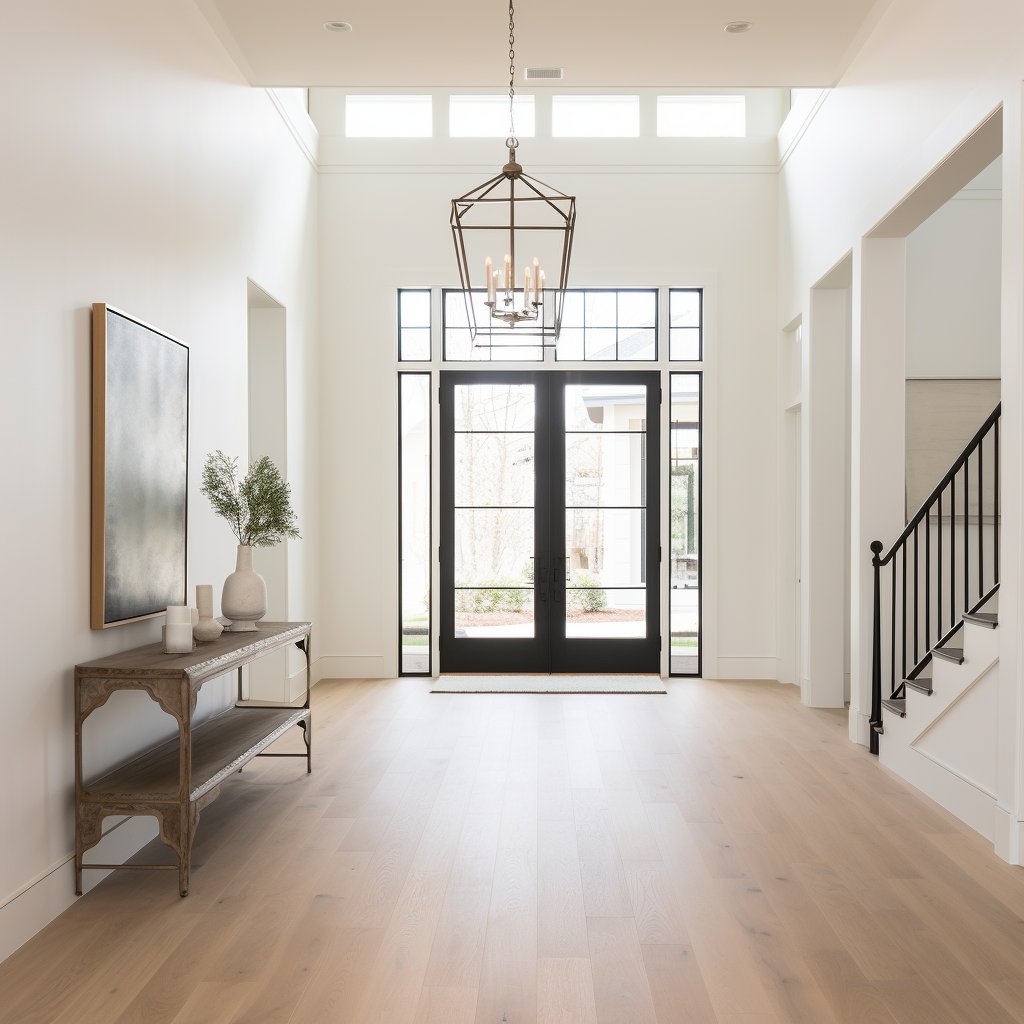
A buyer's inspector working a home built in 1938 in the Bloomfield area, nearly ninety years old, once walked through what looked, on paper, like a fully updated property. By the time the report came back, it listed oiled-cloth wiring, several ungrounded outlets, cast-iron waste pipe, settlement cracking, elevated radon, and basement moisture the sellers hadn't mentioned because they hadn't known to look. The kitchen had been redone. The wiring behind the wall had not.
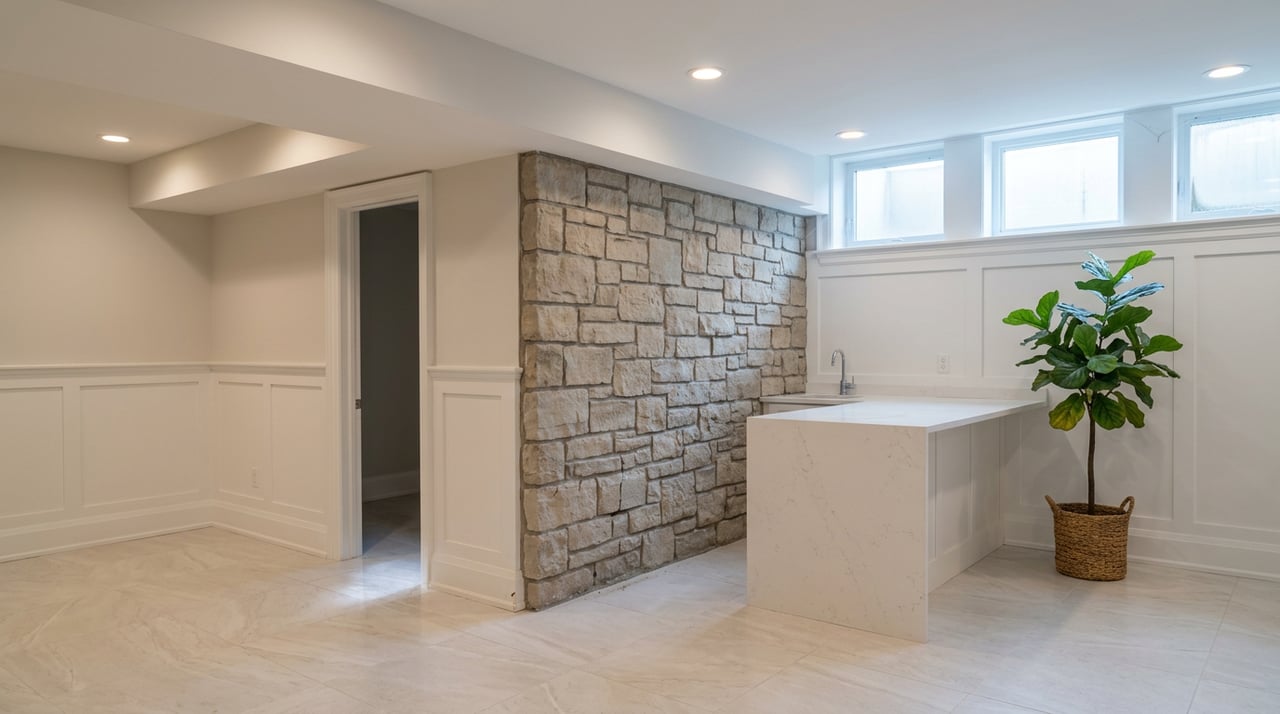
That gap is the story of inspections in Bloomfield Hills, and it's the reason this post exists. A renovated kitchen tells a buyer's agent nothing about the electrical panel fifteen feet away. A finished basement with fresh paint and can lighting can be hiding the exact moisture problem an inspector is trained to find. The visible age of a Bloomfield Hills home and the actual age of its systems are two different numbers, and sellers who confuse one for the other are the ones getting a renegotiation letter mid-escrow instead of a clean closing.
The Renovation Doesn't Reset The Clock
Bloomfield Hills' housing stock runs from mid-century architect-built homes to fully modern construction, with a wide band of older properties in between that have been updated cosmetically but not mechanically. A finished basement in this market specifically tends to hide moisture problems behind drywall, according to inspectors who work the area regularly. The same is true of wiring and plumbing on homes that have had one or two rounds of interior renovation since they were built. New paint, new counters, and new light fixtures don't touch the panel, the pipe, or the foundation behind them, and an inspector's job is to find exactly that seam between what was updated and what wasn't.
This matters because it changes what a seller should actually prepare for. The instinct is to stage the kitchen and let the marble do the talking. The systems don't care about staging.
Radon Is A Michigan Problem Before It's A Bloomfield Hills Problem
Michigan's own environmental agency estimates that roughly one in four homes statewide is expected to have radon levels that exceed the EPA's federal action level of 4 picocuries per liter. That's not a Bloomfield Hills statistic specifically, it's a state-level baseline, but it applies directly to a community where basements and crawl spaces are common architectural features and where cold winters mean homes stay sealed for months at a time, which is exactly the condition that lets radon concentrate indoors.
Testing is cheap relative to what it prevents. A radon test itself typically runs well under $200 when bundled with a general inspection, and mitigation, if a system tests high, usually falls in the $800 to $2,500 range depending on foundation type. The number that actually matters for a seller is timing. A test that comes back elevated during a buyer's due diligence period becomes a negotiation. A test that comes back elevated before you list becomes a line item you controlled.
What The Rest Of The Report Usually Says
Beyond radon, Oakland County inspectors flag a consistent set of findings on the area's older housing stock, and none of them are unique to Bloomfield Hills, which is exactly why they're worth naming plainly:
- Aging electrical systems and outdated plumbing in homes 40 to 60 years old, where original wiring or galvanized pipe was never fully replaced during later cosmetic work
- Ice dam damage traced back to under-insulated attics, a routine and costly finding given how many freeze-thaw cycles the region goes through each winter
- Basement water intrusion linked to clay-heavy soils, which hold water against foundations longer than sandier soil would
- HVAC systems at or past their expected service life, particularly in homes where the mechanicals were never part of a renovation scope
None of these are dealbreakers on their own. All of them are negotiating leverage for a buyer if a seller finds out about them for the first time from the buyer's own report.
The Systems A Walkthrough Won't Show You
Not every Bloomfield Hills property sits on municipal sewer and water. Where a home relies on a private well or septic system instead, the rules get more particular fast. Oakland County's Health Division oversees more than 80,000 on-site sewage systems across the county, and Michigan is the only state without a statewide sanitary code, which means the specific rules that apply to a given property depend on the county and sometimes the township, not a single uniform standard.
For a seller on private septic, the Michigan Seller Disclosure Act requires you to state the system's approximate age, the date it was last pumped, and whether it has ever failed or needed major repair. That information has to reach the buyer before a purchase agreement is signed, not after. If the record doesn't exist, that's worth knowing before an offer comes in rather than during the inspection period, when a missing pumping record reads very differently to a buyer's agent than it does to you.
Well water carries its own quieter regulatory shift. Effective December 1, 2025, Oakland County began requiring Type III public wells (the kind that serve multiple connections rather than a single home) to collect water samples at least once annually, a change worth flagging for any Bloomfield Hills property on a shared or non-municipal water system.
There's also a bill moving through Lansing worth watching if you're timing a sale over the next year. Senate Bill 771 would create Michigan's first statewide septic evaluation standard, triggered by a system's age and its proximity to water rather than by the fact of a sale. It cleared a Senate committee in June 2026 and is still awaiting a floor vote, so it isn't law yet, but it signals where septic regulation in this state is heading. A seller who gets ahead of documentation now isn't just solving today's inspection, they're solving next year's rule too.
What These Inspections Actually Cost
| Inspection Item | Typical Cost | Why It Matters |
|---|---|---|
| Radon test (bundled with general inspection) | Under $200 | State estimate: 1 in 4 Michigan homes test above the EPA action level |
| Radon mitigation system | $800 to $2,500 | Cost depends on foundation type and entry points |
| Septic inspection | $300 to $600 | Required disclosure includes age, last pumped date, and known failures |
| Well water test | $300 to $400 | Bacteria and mineral content aren't tested unless requested |
| Septic system replacement | $15,000 to $30,000 | The cost a failed inspection can trigger if repairs aren't negotiated |
Getting Ahead Of The Report
- Order your own radon test before you list, especially if the home has a finished basement or has been sealed up through a Michigan winter without recent testing.
- Pull septic records if the property is on a private system. A pumping date and permit history turns a question mark into a fact on the disclosure form.
- Ask your inspector or contractor about the age of the electrical panel and any original plumbing, particularly on homes that have had a kitchen or bath renovation but no mechanical updates in the same window.
- Check attic insulation levels before winter listings. Ice dam damage is one of the most common and most expensive findings in this county, and it's preventable.
- If your property relies on a well, confirm whether it falls under the newer Type III testing requirement and whether a recent sample exists.
None of this is about masking a problem. It's about knowing what the report will say before a buyer's agent reads it to you across the negotiating table.
A Few Questions Sellers Ask
Does every Bloomfield Hills home need a septic inspection before selling? Only if the property relies on a private septic system rather than municipal sewer. If it does, Michigan's Seller Disclosure Act requires you to state the system's age, last pumped date, and any known failures before a buyer signs a purchase agreement.
Is radon testing required, or just recommended? It's not legally required in most transactions, but with roughly a quarter of Michigan homes estimated to test above the EPA's action level, most buyers' lenders and agents treat it as standard due diligence. Testing before you list lets you control the timeline and the cost.
What happens if an inspection finds a problem after we're already under contract? It becomes a negotiation. Buyers commonly use a failed septic, well, or radon test as leverage for a price reduction or a repair credit. Addressing known issues before listing, or at least having documentation ready, keeps that leverage from working against you.
If you're weighing a Bloomfield Hills listing and want to walk through what your specific home's systems, age, and history mean for a buyer's inspection before it happens to you instead of for you, Anthony Maisano can help you build that plan. Schedule a strategy call and get ahead of the report.